JUMP TO SECTION
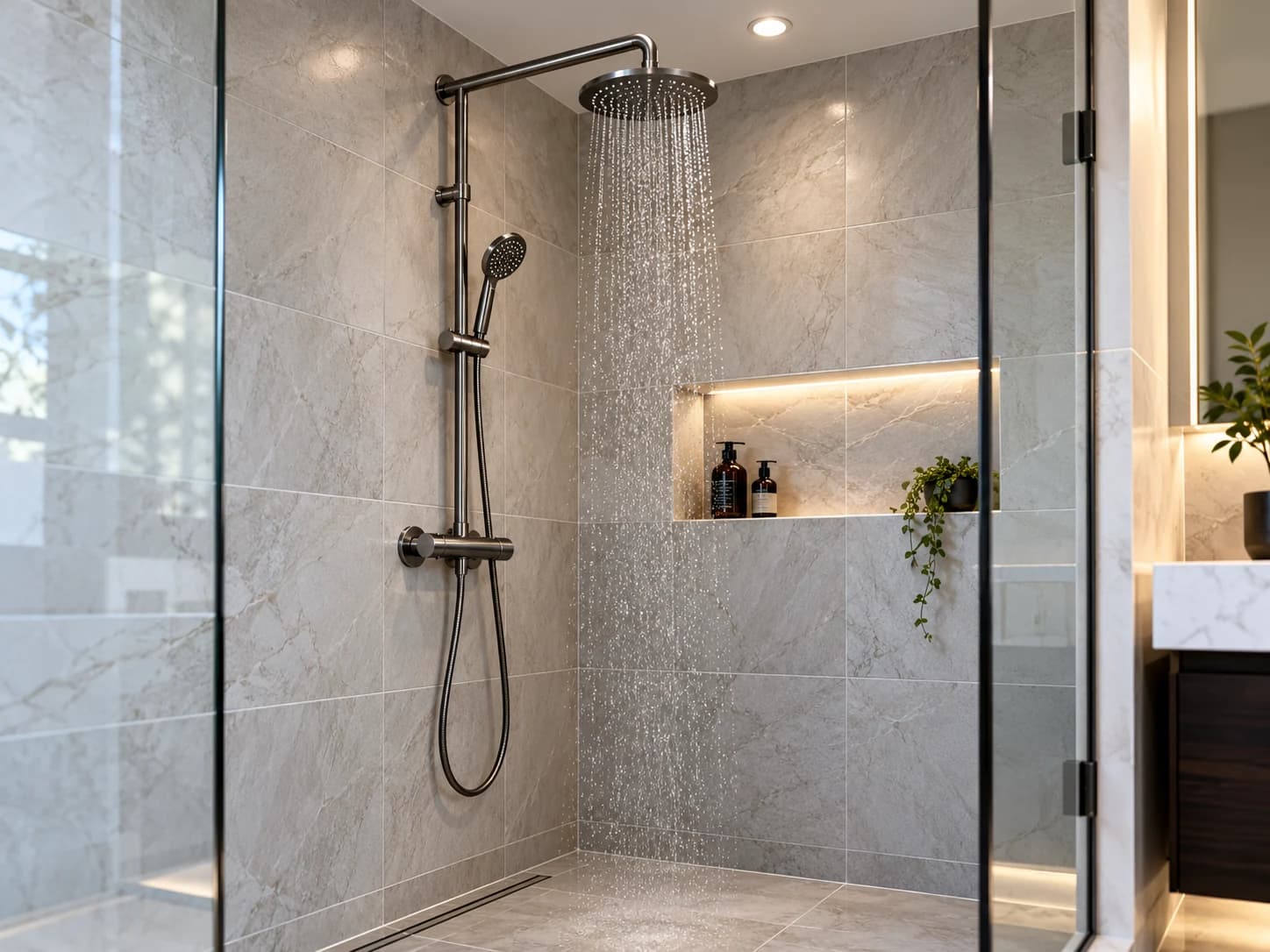
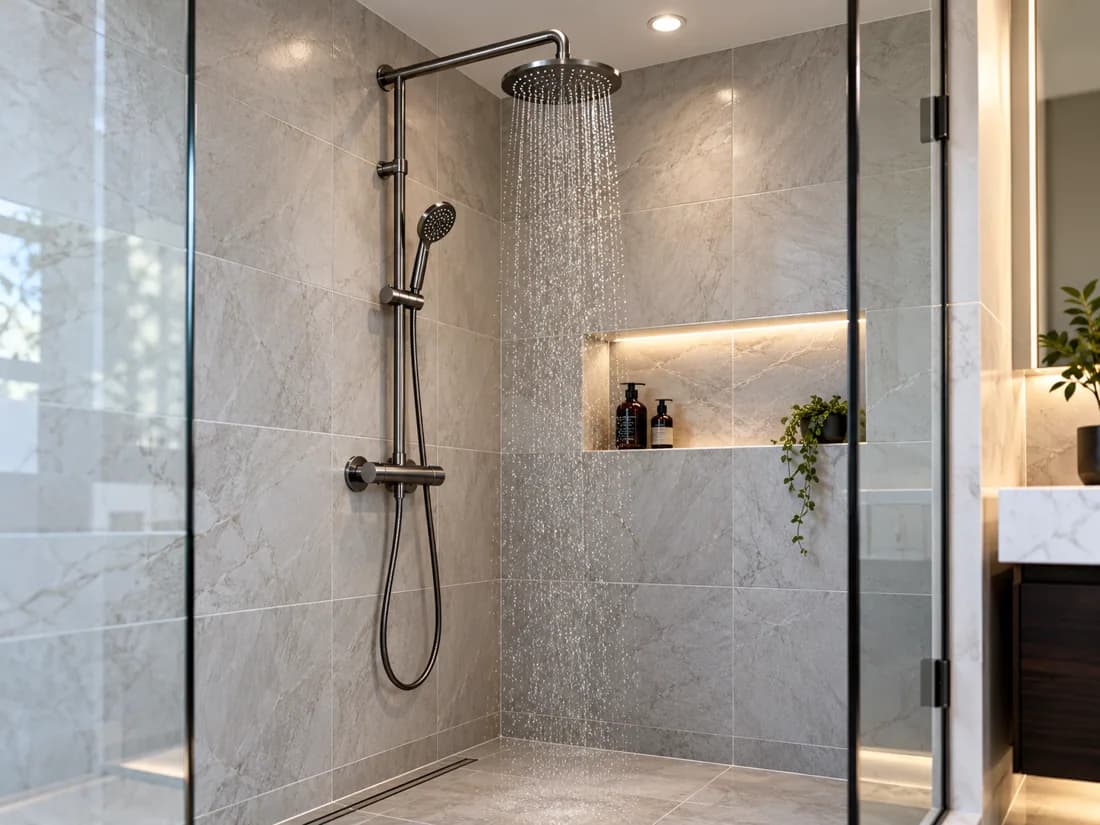
A shower that swings between comfortable, cold and unexpectedly hot needs a clear assessment, not a sequence of improvised adjustments. Stop using an outlet that cannot be used safely, particularly where children or anyone with limited mobility could be exposed. Do not ask another person to stand under the spray while you reproduce a symptom. This article explains how to report temperature changes without diagnosing a mixer, valve or water heater remotely. It is different from waiting for the first hot water to arrive or running out after an unusually busy morning.
Stop treating an unpredictable shower as a setting problem
A shower that swings between comfortable, cold and unexpectedly hot needs a clear assessment, not a sequence of improvised adjustments. Stop using an outlet that cannot be used safely, particularly where children or anyone with limited mobility could be exposed. Do not ask another person to stand under the spray while you reproduce a symptom. This article explains how to report temperature changes without diagnosing a mixer, valve or water heater remotely. It is different from waiting for the first hot water to arrive or running out after an unusually busy morning.
Begin with the change you actually noticed. Did the temperature fluctuate during one shower, at the moment another fixture was used, or between separate uses? If you do not know, say so. An honest incomplete account is more useful than a confident theory borrowed from a video. Make a note of whether the shower handle was left in the same position. Avoid extending an unsafe shower to gather a better record. The aim is to preserve useful context from normal use, while leaving testing and temperature measurements to the appropriate professional.
Distinguish one fixture from a wider pattern
If other household members have already noticed a similar change at the basin or kitchen, include that in the report. If the problem has only been observed at the shower, describe it that way rather than declaring the rest of the system fault-free. Different fixtures may have different histories, controls and usage patterns. A professional may need to compare them under controlled conditions. You do not need to run every outlet or deliberately change simultaneous demand to provide an enquiry. That could waste water or expose someone to an avoidable temperature change.
Mention recent changes at the affected fixture, such as a new showerhead, mixer service or bathroom renovation, if those changes genuinely occurred. Keep the product model or invoice available. Rheem identifies inadequate flow as one possible reason for temperature fluctuation on certain continuous-flow products. That is a manufacturer-specific possibility, not proof that a new showerhead caused your symptom. Do not remove flow controls or modify a product to test the theory. Ask the assessing professional whether the fixture, the heater and their operating requirements are compatible in the installed arrangement.
Explain the timing without creating a new experiment
A brief timeline is often more useful than a long list of possible faults. Record whether the issue is new, gradually worsening or returning after earlier work. Note a visible controller message exactly as displayed if it is safely accessible. Describe known concurrent activities only if you observed them: for example, a washing cycle was already running or another person used a basin. Do not recreate that situation while somebody showers. An assessment can consider the interaction without relying on a risky household demonstration.
Also separate perception from measurement. Saying the water felt suddenly hotter is a valid report, but it is not a measured outlet temperature or a compliance finding. Do not use kitchen equipment to test water where scalding is possible. If a professional takes readings, ask them to record the conditions and explain the significance. A single number without the outlet, operating state and assessment context may be difficult to interpret later. Keep your original observation and the professional's test result as separate parts of the record rather than replacing one with the other.
Identify the system before discussing causes
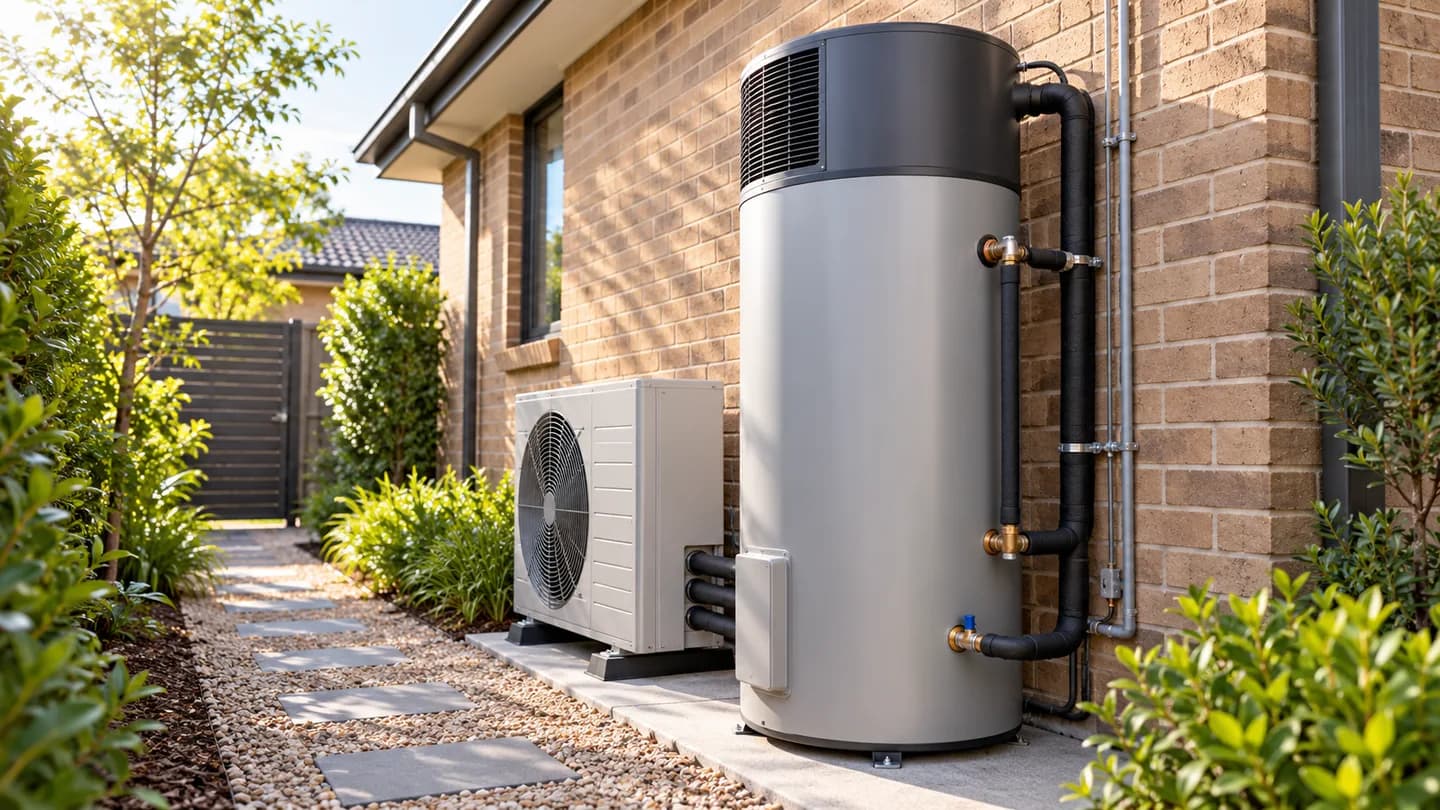
Find the water heater description from an existing manual, invoice or safely visible label. Government guidance explains that storage and instantaneous systems operate differently, so the equipment type belongs in the enquiry. In apartments, clarify whether the dwelling has its own heater or a shared supply. A local fixture complaint does not authorise a resident to access common plant or change shared settings. If you are uncertain, ask the building manager for the equipment details and the correct process for reporting a temperature concern.
Do not assume that the presence of a controller identifies every temperature-control component in the plumbing. Ask the attending professional to explain the relevant arrangement in plain language. The enquiry can request assessment of both the fixture and the upstream supply without naming a failed part. Where previous work involved temperature controls, provide the date and scope rather than changing them yourself. This is especially important when several trades or service providers have attended: one person's observation about an appliance is not automatically a complete assessment of the shower's installed plumbing.
Understand what a useful repair proposal should explain
Before approving work, ask what observation or test supports the proposed remedy. Is the recommendation directed at the shower fixture, another plumbing component, the water heater or further investigation? Ask whether the proposed work addresses the reported fluctuation or only a separate issue found during attendance. If the cause remains uncertain, request the next diagnostic step and its cost basis rather than accepting a guaranteed outcome. A clear proposal can explain uncertainty without turning a reasonable investigation into a promise that one part will fix every symptom.
Product replacement decisions should also consider compatibility and service access. A visually similar mixer or showerhead is not necessarily an equivalent component. Ask who will confirm the product selection and what documentation will be provided. If a warranty enquiry is relevant, keep the manufacturer process separate from the plumbing quote. Do not assume that every plumber is authorised by every manufacturer. After work, request an explanation of any testing completed and any restrictions that remain. Keep the professional's findings so a recurring symptom can be assessed against an actual service history.
Explain access and household needs before attendance
Tell the provider if the affected shower is the only bathing facility or if somebody needs assistance to use another arrangement. These are practical planning facts, not reasons to ask a person to tolerate unpredictable hot water. Identify who will be home, where the equipment is located and whether a manager must unlock an area. If a contractor needs to compare fixtures, they can plan that work rather than discovering during attendance that access to another room or shared system is unavailable.
Keep any previous fixture invoice and service report with the enquiry. A product's brand name alone may not distinguish variants, so retain its model description where possible. If a showerhead was supplied by someone else, explain that rather than assuming it was selected by the plumber. This helps establish which compatibility information still needs confirmation. Do not dismantle the fixture to obtain a part number. The professional can decide what access or investigation is appropriate once the scope and permissions are clear.
Make the next conversation specific and safe
Prepare a message stating the affected shower, when the fluctuation began, whether other outlets have shown symptoms, the system model if known and any genuine recent fixture changes. Include suburb, postcode, access details and who can authorise attendance. Describe a safety concern plainly rather than minimising it as a preference for a warmer shower. If the outlet cannot be used safely, say that it is out of use. Do not send an unsupported diagnosis or ask for a particular component to be replaced before an assessment has occurred.
For an enquiry, contact Grade A Plumbing on (02) 5837 5457 or support@gradeaplumbing.store. Confirm service availability and assessment scope. The hot water service page and existing lifespan article offer background, while this guide focuses on an unpredictable shower during use. If the symptom returns after work, record the date and circumstances and contact the service provider with the earlier job details. Repeatedly changing user settings can obscure the history without resolving the cause. A useful outcome is an understood, documented finding and an appropriate remedy, not merely a new setting nobody can explain.
Frequently asked questions
Can a new showerhead cause changing water temperature?
Compatibility may be relevant on some systems, but a recent change does not establish the cause. Give the professional the product and heater details; do not remove flow controls or modify the fixture to test a theory.
How can I demonstrate the problem safely?
Describe observations from ordinary use and stop using an outlet that cannot be used safely. Do not ask anyone to stand under an unpredictable shower or deliberately recreate simultaneous demand. Let the professional plan suitable testing.
Sources and further reading
- Rheem Australia: hot water system troubleshooting · Checked 2026-10-19
- YourHome: hot water systems · Checked 2026-10-19