JUMP TO SECTION
A tree chosen for shade today may occupy a very different space when mature. Before ordering plants, draw the intended garden as a whole: trees, retaining edges, irrigation, paving, raised beds and any fence changes. Include the routes people will use to maintain those features. This article concerns the drainage questions to settle during that design stage; it is not a diagnosis of an existing blockage or a planting-distance standard. Greater Western Water identifies trees as a possible cause of pipe blockage and advises considering both the trees chosen and their position. That is a reason to investigate the actual site, not to assume every established tree has damaged a drain.
Start with the proposed garden, not a universal tree blacklist
A tree chosen for shade today may occupy a very different space when mature. Before ordering plants, draw the intended garden as a whole: trees, retaining edges, irrigation, paving, raised beds and any fence changes. Include the routes people will use to maintain those features. This article concerns the drainage questions to settle during that design stage; it is not a diagnosis of an existing blockage or a planting-distance standard. Greater Western Water identifies trees as a possible cause of pipe blockage and advises considering both the trees chosen and their position. That is a reason to investigate the actual site, not to assume every established tree has damaged a drain.
Separate three decisions that can otherwise become mixed together. A horticultural decision asks whether a plant suits the soil, space and intended garden. A plumbing decision asks where drainage assets are and whether their condition or access needs affect the proposal. An authority or planning decision asks which restrictions apply to the particular land and assets. One adviser may not answer all three. Give each adviser the same drawing, including the expected mature planting area rather than only the small nursery pot. Ask them to identify uncertainty before a fixed landscape design makes changes expensive. The presence of a healthy-looking tree, or a garden that currently drains, does not resolve those underground questions.
Build a layered picture of underground assets
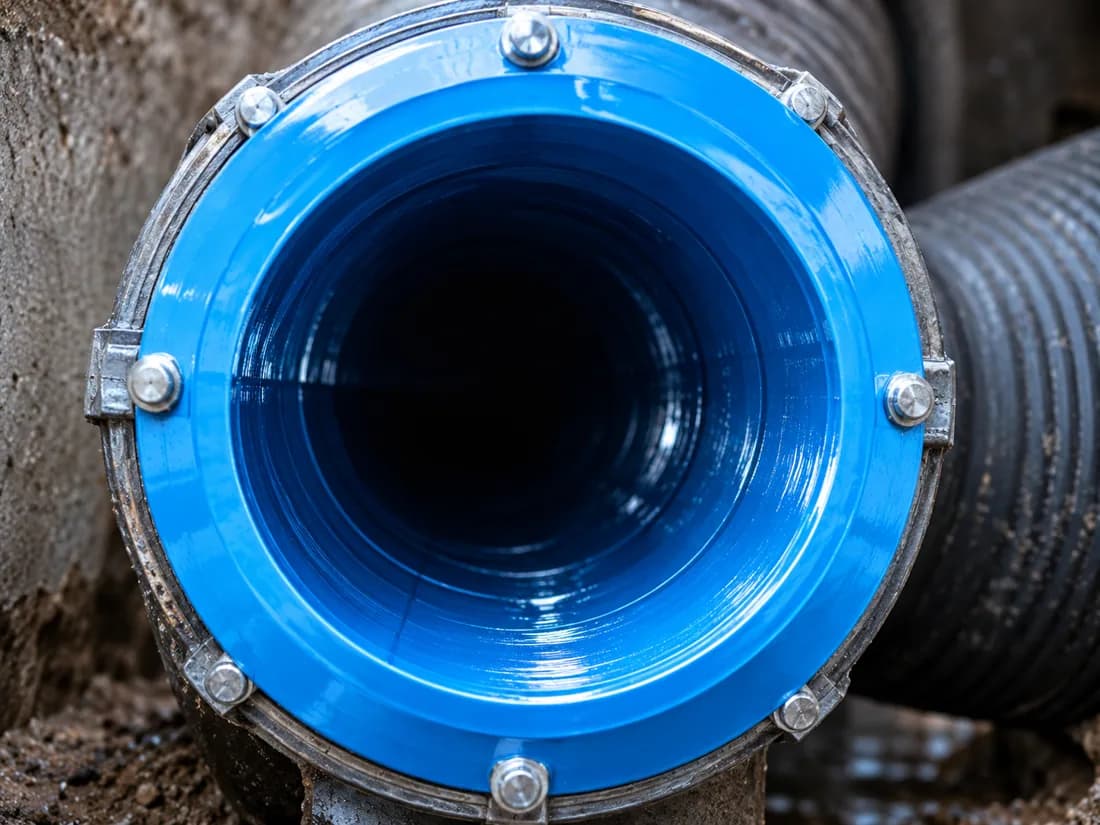
Collect the drainage information already available for the property and distinguish it from a verified on-site location. A sewerage plan, an old renovation sketch and a utility response can each contribute, but they do not necessarily describe the same assets or level of accuracy. Before You Dig Australia explains that utility plans indicate the presence of infrastructure rather than its exact position. South East Water also highlights the importance of identifying private sewer drains when protecting assets during construction. Do not assume a utility plan covers every private pipe or gives permission to dig at a marked point. Have the contractor explain what further locating is needed for the proposed work.
Use a simple legend on your garden drawing: confirmed feature, approximate record and unknown route. Mark visible access fittings without opening them and note where photographs were taken. If a line disappears beneath paving, leave that uncertainty visible rather than drawing a confident straight connection. Give the plumber the proposed planting and footing locations, not just the property address. This lets the assessment focus on the area affected by the garden changes. If documents conflict, ask who can resolve the discrepancy. Keep the final design separate from early sketches so an installer does not unknowingly build from an old assumption. Asset information is a planning input, not a substitute for safe excavation procedures.
Decide whether a condition assessment answers a real question
A condition assessment is most useful when it will change a decision. For example, you may need to know whether a proposed permanent garden feature would cover a drain access point, or whether an existing drainage concern should be investigated before paving is laid. Explain that decision to the plumber. Do not commission a camera inspection merely to obtain a reassuring picture without agreeing which accessible drainage sections it can examine and what its limits will be. A camera view can inform a discussion, but it does not automatically establish the location of every buried service or predict every future interaction between roots and pipes.
Tell the assessor about any known blockage history, previous repairs and sections that could not be inspected before. If you have no history, say so rather than concluding the system is defect-free. Ask the report to distinguish observed condition from a recommendation for further investigation. A suggestion to repair something should identify the evidence and relevant section, while an inability to inspect should remain an explicit limitation. This allows the landscape designer to compare sensible options: adjust the planting layout, retain a maintenance corridor, investigate an uncertain area or postpone a permanent surface. The aim is a decision that matches available evidence, not an unnecessary promise that planting can never affect drainage.
Leave future maintenance possible
Think about the garden on the day someone needs to reach a drain, not only on the day it is photographed after completion. A decorative cover, fixed planter or dense hedge can make a known access point harder to recognise or reach. Ask the plumber which fittings need to remain accessible and have the designer show how the garden will preserve that access. Do not lower, seal, conceal or relocate an unfamiliar drainage fitting as a landscaping shortcut. South East Water publishes guidance for works near its assets and easements; the applicable requirements need checking against the actual proposal rather than guessed from a neighbouring property.
Consider access for people, tools and any assessment equipment without assuming machinery will always be necessary. A removable feature may be easier to work around than a permanent one, but only the relevant designer and authority can confirm whether it is acceptable in that location. Ask who is responsible for marking access points after mulch or planting is added. Keep a clean copy of the as-completed landscape plan with property documents, showing features that remained unchanged as well as alterations. If a future owner cannot distinguish a service fitting from a garden ornament, the design has created avoidable uncertainty. Clear access is a practical design objective, not a guarantee of a particular maintenance cost.
Treat existing trees and excavation as separate specialist decisions
Finding a tree near a sewer route does not by itself justify cutting roots or removing the tree. Before changing an established tree, seek suitable arboricultural advice and check property-specific restrictions through the appropriate authority. Avoid attributing a pipe problem to a particular tree solely because it is closest on the surface. Likewise, do not install root barriers, apply chemicals or trench beside an asset based on a generic article. Those interventions can introduce their own risks and may require input beyond plumbing. A careful assessment should identify what is observed, what remains uncertain and which professional or authority is responsible for the next decision.
Discuss the actual construction activities with the landscape contractor: stump removal, post holes, retaining footings, soil regrading and delivery access may affect areas beyond the planting hole. Ask how asset information will be communicated to everyone working on site and how unexpected services will be handled. A plan held in one person's inbox is not much protection if another crew starts digging without it. Do not enter an excavation or attempt to expose a pipe yourself to confirm a guess. If the design changes, revisit the affected asset checks before proceeding. The safe working method should reflect the revised work area, not only the original sketch submitted at the beginning of the project.
Turn the findings into a workable landscape brief
End the planning stage with a drawing and short explanation that a new contractor can understand. Show the intended planting, known drainage routes, access areas and unresolved questions. Record whether a location was physically assessed or copied from a plan. If the garden design was changed following advice, ensure the old version is clearly superseded. Do not describe a verbal discussion as formal authority approval. Where an asset owner has supplied conditions, keep those conditions attached to the relevant design rather than summarising them so loosely that their meaning changes. These steps help the landscape and plumbing work proceed from one consistent set of facts.
For a Melbourne drainage assessment related to planned planting or garden changes, contact Grade A Plumbing on (02) 5837 5457 or email support@gradeaplumbing.store. Describe the proposed works and the question you need the inspection to answer. Confirm availability, access requirements and the agreed assessment scope before booking. An enquiry does not establish that tree removal, drainage repairs or a particular approval will be required. Good planning may reveal that a modest layout adjustment is more useful than a major intervention, or that more information is needed before deciding. Keep those possibilities open until the property-specific evidence and relevant advice have been considered.
Frequently asked questions
Is there one safe distance for every tree and sewer pipe?
No universal distance is prescribed by this guide. Species, mature growth, pipe position, condition and asset-owner requirements need consideration for the actual site. Seek horticultural and plumbing input rather than treating a generic distance as approval.
Does a utility plan show all private drains?
Do not assume it does. BYDA plans identify infrastructure information supplied by responding owners and are not exact-location guarantees. Ask the contractor how private drainage and remaining uncertainty will be addressed.
Sources and further reading
- Greater Western Water: fixing a blocked sewer · Checked 2026-10-18
- Before You Dig Australia: guide to free utility plans · Checked 2026-10-18
- South East Water: find and protect assets · Checked 2026-10-18
- South East Water: work near assets and easements · Checked 2026-10-18