JUMP TO SECTION
A flexible connection beneath a basin or near an appliance can be easy to overlook until someone notices moisture, a visible change or an unfamiliar fitting. The next step is not to decide its remaining life from an internet photograph. Record the concern and arrange an appropriate assessment. This guide concerns household preparation and questions for a practitioner. It does not provide instructions to disconnect a hose, tighten a joint, bend it into another position or test its strength.
Keep observation separate from judging the hose
A flexible connection beneath a basin or near an appliance can be easy to overlook until someone notices moisture, a visible change or an unfamiliar fitting. The next step is not to decide its remaining life from an internet photograph. Record the concern and arrange an appropriate assessment. This guide concerns household preparation and questions for a practitioner. It does not provide instructions to disconnect a hose, tighten a joint, bend it into another position or test its strength.
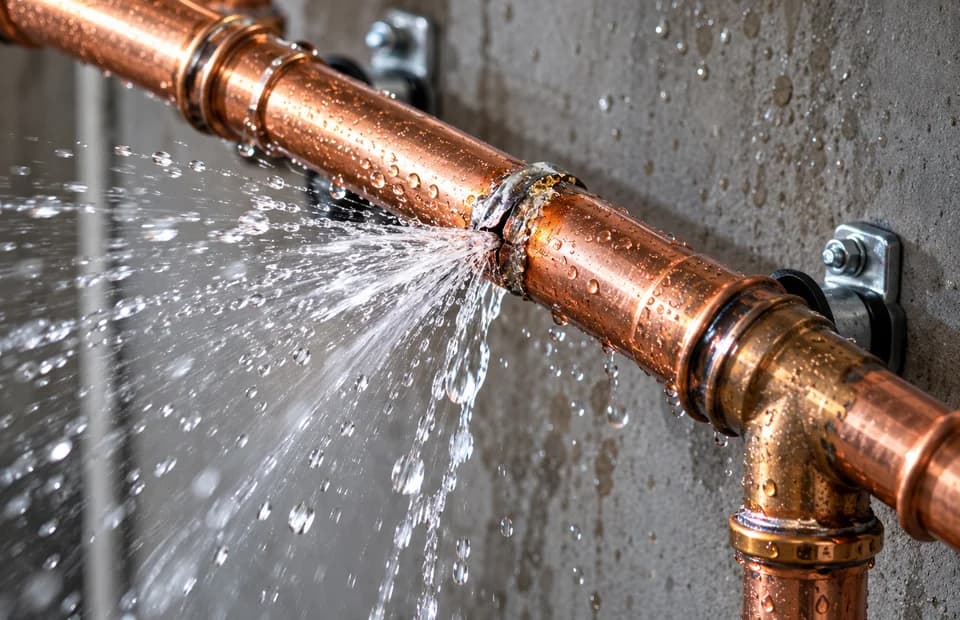
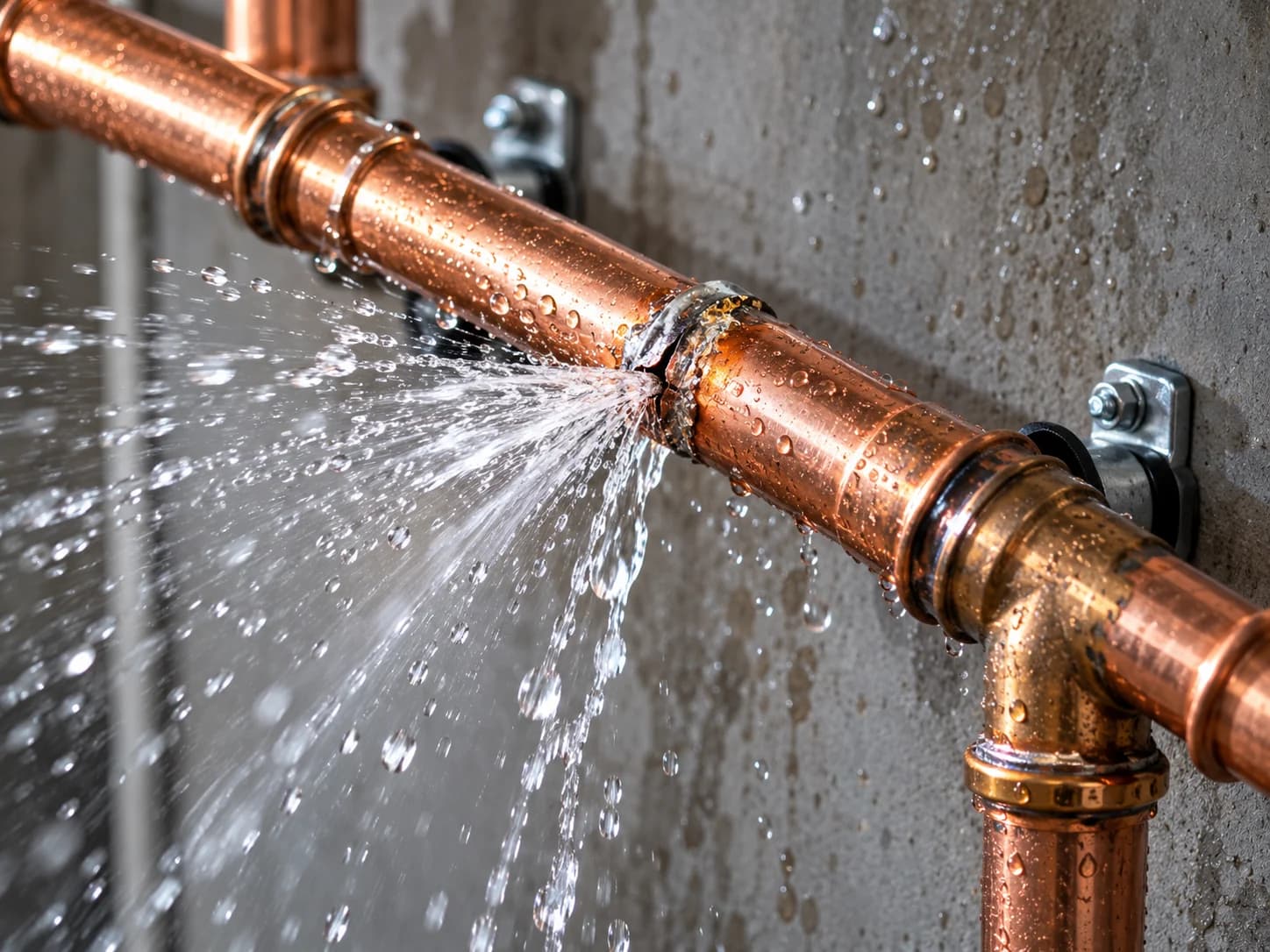
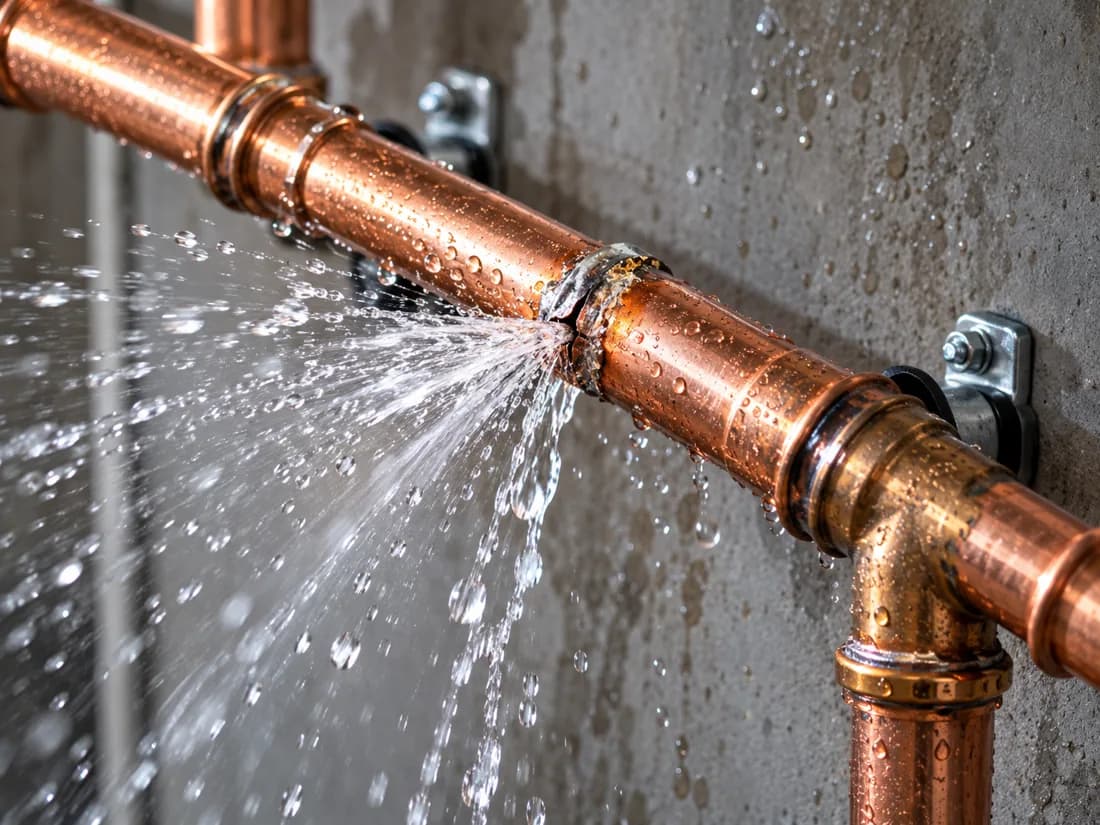
If water is actively escaping, or the area contains electrical equipment or another hazard, seek suitable urgent assistance rather than completing a routine checklist. Do not enter water to reach a switch or disturb a connection to find the exact source. Explain what is visible from a safe position. The issue may require a different response from a general maintenance appointment.
Use a simple location description: beneath the main bathroom basin, inside the laundry cabinet, or beside the kitchen appliance. State what changed and when it was noticed. Avoid labelling the hose defective or claiming that a whole installation needs replacement before a practitioner has examined it.
Why the application matters more than a similar appearance
The Building and Plumbing Commission's water-services guidance distinguishes flexible hose applications and suitability requirements. That provides a reason to ask about the actual installed connection rather than assume all visually similar hoses are interchangeable. This article does not reproduce technical classifications, pressure limits or installation requirements. Selecting a product for the application belongs with the relevant professional assessment.
Tell the practitioner what the connection serves if you know, and mark that information as uncertain if you do not. A kitchen cabinet may contain several supplies and appliances. Do not trace them by moving equipment or operating unfamiliar valves. An existing invoice or safely visible label can offer context without establishing suitability on its own.
Keep any earlier product or installation records available. A purchase receipt describes what was bought, but may not prove which component is installed now. If several fittings were changed on different dates, retain that distinction. The assessor can then decide which information is relevant rather than beginning with an assumed age or material.
Ask the assessor to explain the product identification used for any proposed replacement. The regulator's guidance distinguishes hose applications, so a photograph of a similar braid or connector is not enough to select a component. Keep the actual model or specification with the completed work record if supplied. If the proposed part changes before installation, request confirmation that the substitute suits the same assessed use. Do not assume the colour, length or apparent connector size settles that question.
Document the safely visible concern
Take an overview photograph only if the location is safely accessible. Include enough surrounding detail to identify the connection without reaching behind electrical equipment or moving a heavy appliance. A close-up can supplement the overview, but there is no need to touch a damp or damaged-looking component to make the image clearer.
Describe visible changes without converting them into a cause. For example, moisture on the cabinet floor is an observation; a failed internal hose lining is a conclusion you may not be able to establish. Note whether the concern is currently visible, was noticed earlier or cannot be assessed from the available view. Those distinctions help plan access and urgency.
If ordinary household storage obstructs the view, ask the booking contact what preparation is appropriate. You may be able to remove safely accessible loose items, but do not disconnect equipment or force a fixture aside. Tell the provider when the area cannot be made accessible without assistance so the appointment is based on a realistic access description.
Ask what the proposed assessment covers
Clarify whether you are arranging an investigation of moisture, a condition assessment of accessible connections or a quote for a specific component already identified. These are different tasks. Ask which area will be checked and whether the practitioner expects to need additional access. An assessment of one cabinet should not be described as a complete inspection of every concealed connection in the property.
If replacement is suggested, ask which connection is included and why the selected product suits the application. Keep a recommendation for other accessible components separate from a claim that all hidden hoses are defective. A bounded explanation lets you consider the proposal without treating a photograph as a property-wide diagnosis.
The ABCB WaterMark database can support checks of relevant plumbing products. Ask the practitioner how the chosen component is identified where certification applies. Do not buy a matching-looking hose in advance and assume it can be fitted anywhere. An inexpensive product-only listing is not the same scope as assessment, supply, installation and follow-up.
Agree access, associated tasks and approval
Discuss whether the accepted task includes only the identified connection or any additional work the assessor has explained. Ask how an unexpected condition would be communicated before more work proceeds. Keep cabinet repairs, appliance movement and other finishing tasks visible rather than assuming they are included in a plumbing charge.
In Victoria, check the practitioner's relevant registration or licence through the regulator's information. Confirm who will undertake the actual work and what documentation applies. This guide does not establish the qualifications of a particular business or promise that every connection can be assessed or replaced during one visit.
If another person provides access, give them the accepted scope and the contact who can approve changes. They should not be left to authorise an unfamiliar repair because they happen to be present. Keep access instructions private and avoid sending household security codes in a broad group message.
Use a sensible maintenance record after the visit
Record what was actually assessed or replaced, where it is located and any ordinary guidance supplied. Ask the practitioner or product documentation about future attention rather than adopting a universal replacement age from a general article. Different products and conditions should not be reduced to a single unsupported calendar rule.
If you later see moisture, refer to the completed scope and describe the current observation. Do not assume it comes from the same component, and do not attempt further tightening or disconnection to investigate. Keep a safe record of the location and seek advice appropriate to the concern.
For an accessible water-connection enquiry, call Grade A Plumbing on (02) 5837 5457 or email support@gradeaplumbing.store with your suburb and the safely observed issue. The Melbourne location and service links provide the contact route. An enquiry does not confirm a component fault, product suitability, appointment time, remaining service life or price.
When considering preventive work, ask which recommendation is based on an observed condition and which is an optional replacement proposal. Keep both descriptions accurate rather than labelling every accessible connection as already leaking.
A useful way to describe the request
An example request might say that moisture was noticed beneath a named basin on a particular date, that the source is not confirmed, and that a safe overview photograph is available. Add whether the area remains wet and who can provide access. This is a hypothetical reporting example, not a customer job or an instruction to leave an active leak unattended.
The same enquiry becomes less useful if it asserts an exact failure, orders a replacement selected from a photograph and describes the entire property as inspected. Keep the uncertainty in the first version. The practitioner can then explain the appropriate investigation and the evidence behind any proposed repair.
Frequently asked questions
Can I tell whether a flexible hose is safe from a photo?
A photo can help describe a concern, but it does not establish suitability or remaining life. Arrange an appropriate professional assessment.
Should I tighten a damp connection?
No DIY adjustment is recommended here. Describe the visible issue and seek advice rather than disturbing the connection.
Is there one replacement interval for every hose?
This guide gives no universal interval. Ask about the actual product, conditions and relevant maintenance guidance.
Sources and further reading
- Building and Plumbing Commission: updated water services standards · Checked 2026-10-18
- Building and Plumbing Commission: engaging a plumber · Checked 2026-10-18
- Australian Building Codes Board: WaterMark Product Search · Checked 2026-10-18